
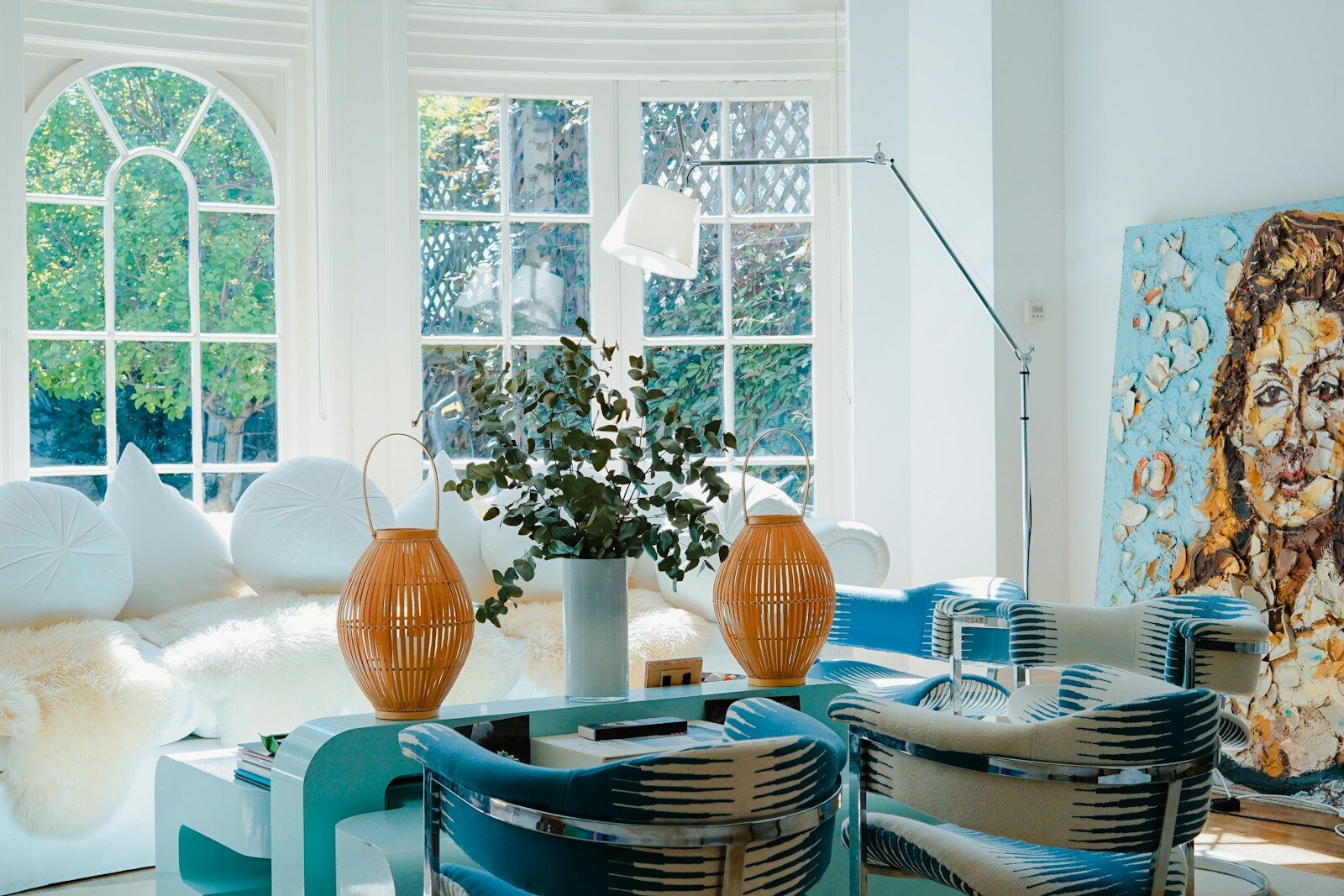
Most of us know a show home when we walk into one. The cushions are plumped within an inch of their life, the coffee table has a tasteful hardback left casually open, and not a single charging cable is allowed to ruin the illusion. Yet for all that polish, show homes are more than glossy property theatre. They quietly shape how people picture domestic life, how a room should flow, what counts as “calm”, and even how much furniture feels acceptable in a modern home.
That influence matters because show homes sit where aspiration meets practicality. They are designed to feel attainable, while still offering a slightly improved version of everyday living. Looking at show home interior design can be revealing for that reason. It shows how designers use scale, light and layout to make ordinary rooms feel generous, and how small styling choices can steer emotion as much as architecture can.
The tricks we notice, and the ones we don’t
Part of the fascination lies in how carefully edited these spaces are. A good show home doesn’t just display furniture, it tells a story about the person who might live there. Usually, that story relies on a few familiar techniques:
- soft, neutral palettes that make rooms feel larger;
- well-placed lamps that create warmth instead of glare;
- fewer, better chosen objects to reduce visual noise.
What’s interesting is how often these ideas travel beyond the sales suite. They turn up in rented flats, suburban semis and endless online mood boards. They shape broader tastes without much fuss. In that sense, the show home has become a quiet cultural force, less about fantasy mansions, more about teaching people to see their own spaces differently. Even if the fruit bowl is fake, the lesson in editing a room can still be real.
Photo by Toa Heftiba.
